
Case study · E-commerce
300% organic traffic in 4 months
A Shopify store went from page 3 to category leader with technical and content SEO.
300%organic traffic
4 motime to result
52+page-1 keywords
 For AgenciesWe run SEO fulfillment under your brand, clients stay yours, hassle stays ours.Explore White Label SEO →
Most businesses should be on a platform, and we say so. When your requirements genuinely exceed platforms, custom development on a static-first stack delivers what nothing else can: near-perfect vitals, exact functionality and zero plugin surface.
Every page engineered around one goal: making your phone ring.
Forms, booking, payments: fully functional from day one.
Why teams go custom
If none of these apply, a platform serves you better and we will say it:
Inventory systems, member portals, industry tools. When the site must talk to systems platforms cannot reach, custom is the only door.
Static-first builds hit vitals numbers platforms cannot touch. In speed-sensitive niches that edge compounds into rankings.
Thousands of programmatic pages with exact control over every byte. Enterprise SEO ambitions sometimes require it.
Modern stack, boring choices, durable result:
Proof, not promises
Performance is a feature clients feel. More on our reviews and case studies page and YouTube channel.
A Shopify store went from page 3 to category leader with technical and content SEO.
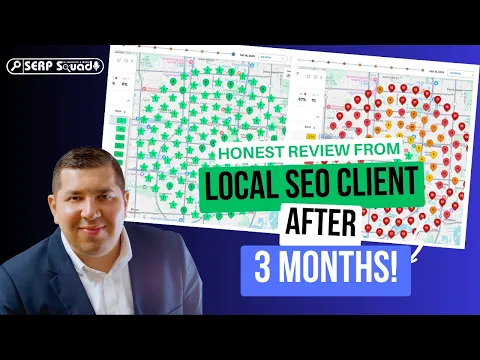
A medical clinic's local visibility transformed after our SEO work took over.
★★★★★“They explained everything in plain English and the rankings followed.”
From scoping to launch
Custom means phases with gates, never opaque:
Requirements proven to exceed platforms, stack chosen, integrations specified with your systems.
Static-first frontend built with editorial workflow, integrations developed against real data.
Performance verified at Lighthouse-100 targets, security reviewed, content migrated.
Deployment, monitoring and the maintenance plan agreed up front, because custom means upkeep.
Transparent reporting
Custom projects earn their trust through visibility:
What shipped each sprint against the scope, with demos, so progress is seen rather than claimed.
Field-measured vitals and Lighthouse scores at launch, the numbers custom builds exist to hit.
Monthly after launch: uptime, updates applied and anything the monitoring caught early.
Honest comparisons
Custom build budgets face three doors. Honestly:
DIY tools are genuinely fine for a placeholder. DIY is not on the table for genuinely custom requirements; the honest question is whether requirements are genuinely custom. A professional build costs more once and earns it back in leads the placeholder never produces.
Cheap custom development is the most expensive kind: undocumented code, no tests, and a rebuild the moment the developer vanishes. The rebuild after a bad build costs more than building right once, and that is before counting the leads lost between.
Ads and SEO both land traffic on your website; a site that loads slow and converts badly taxes every channel you fund. Fixing the destination multiplies every campaign pointed at it.
Service areas
Strategy tuned to how people search in each market. See every market on our service locations page.
Pay after the leads arrive
Ecommerce and higher-ticket services usually suit a commission arrangement rather than a flat fee. That is what pay for SEO rankings covers, with attribution taken from your own analytics.
Buyer beware
Custom development scams cost the most because the code is the asset. The patterns procurement should catch:
The agency owns your domain, your hosting and your code, and the monthly fee is really a ransom. Stop paying and the site disappears. Every build here transfers domain, hosting and files to you, in writing.
A monthly "care plan" with no update log, no backups you can verify and no changes you can point to. Care plans are legitimate only when the work is listed.
A $60 theme with your logo dropped in, billed as bespoke design. Ask to see the actual design process, and who else got the same site.
A meta tag and a sitemap do not make a site SEO-ready. Structure, speed, schema and content architecture do, and they are visible in the build spec or absent from it.
"$99/month for your website, forever" quietly costs more than ownership by year two, and you own nothing when it ends. Rent-to-never-own is the model; read the exit clause.
Site delivered, invoices stop being answered, and the first plugin conflict takes the site down with nobody home. Handover documentation and a reachable team are part of the product.
Before any build, ours included, get it in writing: who owns the domain, the hosting account and the code on day one; what the care plan logs monthly; and what happens if you leave. We answer all three in the proposal, and the answer to ownership is always: you.
When requirements exceed platforms: complex integrations, unusual functionality, extreme performance targets or scale. If a platform can do the job, we will recommend the platform, because custom costs more to build and to keep.
Modern static-first frameworks like Astro and Next.js for marketing sites: near-perfect Core Web Vitals, no plugin surface, and hosting costs close to zero. Application work is scoped per project.
That is the honest trade: custom means developer maintenance. We offer care plans and build with boring, durable technology so the maintenance stays light.
Boring, durable technology chosen per project, static-first frontends, proven frameworks, and infrastructure your future developers will recognize. The stack proposal names everything and why, before you commit.
Monitoring, updates, backups and an agreed response time, priced and scoped in the proposal, because custom software without a maintenance plan is a countdown. You can also hand maintenance to any team you choose; the documentation supports it.
Fresh from the desk
What we publish between campaigns. Worth a read if you want to understand how this work actually gets done before you pay anyone to do it.
Describe what the site must do. We will tell you whether a platform can do it cheaper, and if not, scope the custom build with a fixed phase-one price.